Beekeeping in Ukraine: Current Status and Future Prospects
As of today, there are officially 56,965 registered beekeeping enterprises in Ukraine, maintaining a total of 2,702,499 bee colonies. Given that registration is voluntary, the actual number is significantly higher.
Beekeeping Structure in Ukraine
According to the Beekeeping Register, 8% of beekeeping enterprises manage up to 10 colonies, 39% up to 30, 24% up to 50, 20% up to 100, 7% up to 200, and only 2% have more than 200 colonies. Operations maintaining over 100 colonies can be classified as industrial beekeeping farms, which account for 29% of registered enterprises in Ukraine.
Primary Product and Profitability Challenges
Honey is the main product produced on Ukrainian apiaries, but beekeepers often complain about its low wholesale market price. To increase profitability, it is essential to diversify production and focus on other products such as bee pollen, bee bread, propolis, royal jelly, wax, etc., along with their wholesale and retail sales.
Propolis: A High-Value Beekeeping Product
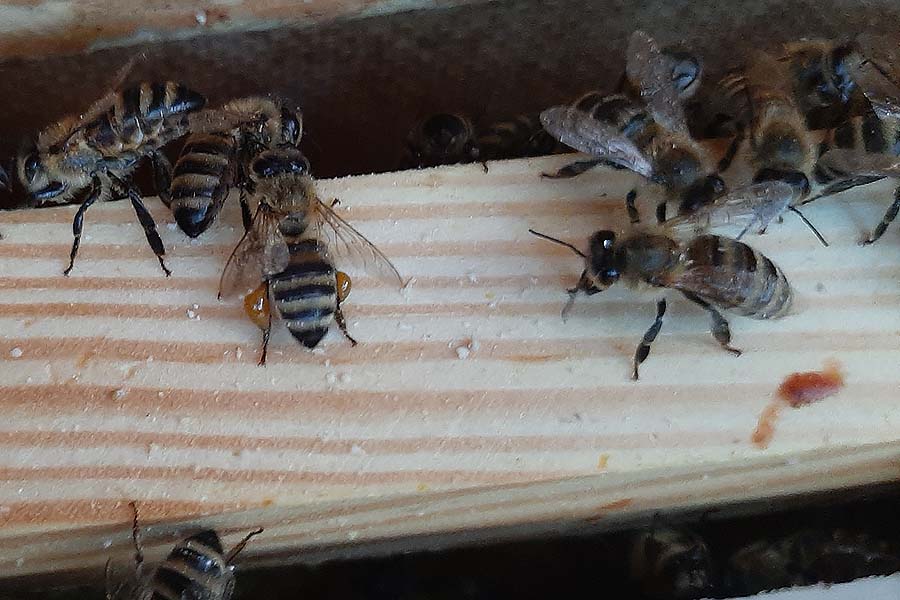
Given my research focus on propolis production processes and equipment, I would highlight propolis as a product that can enhance beekeeping profitability. Propolis is a sticky resinous substance collected by bees from the buds, leaves, and stems of wild plants. It has bactericidal properties and is used by bees for sealing cracks in the hive, polishing wax cell walls, and embalming the bodies of intruders.
Propolis is a staple in apitherapy, which is growing in popularity in Ukraine and globally. It is also used in food technology, where it can be added as an extract, applied as a bioactive film, or included in edible coatings and biopackaging.
Quality Standards for Propolis
In Ukraine, the quality of propolis is regulated by DSTU 4662:2006, which is outdated and requires revision. A new international standard, ISO 24381:2023, was published in November 2023. Given Ukraine’s commitment to EU integration, this standard may soon be adopted through a confirmation method, facilitating swift implementation with minimal adaptation.
Factors Affecting Propolis Quality
Proper beekeeping practices are crucial for propolis quality. Key sources of propolis in Ukraine include poplar, birch, and alder. It is important for beekeepers to ensure that bee flight areas include these sources and to avoid areas contaminated by agrochemicals or pollutants.
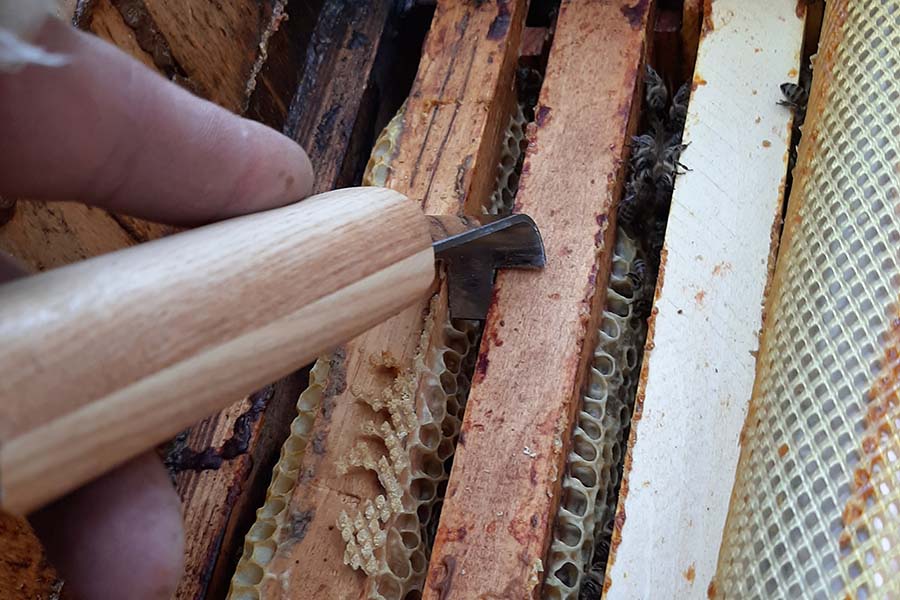
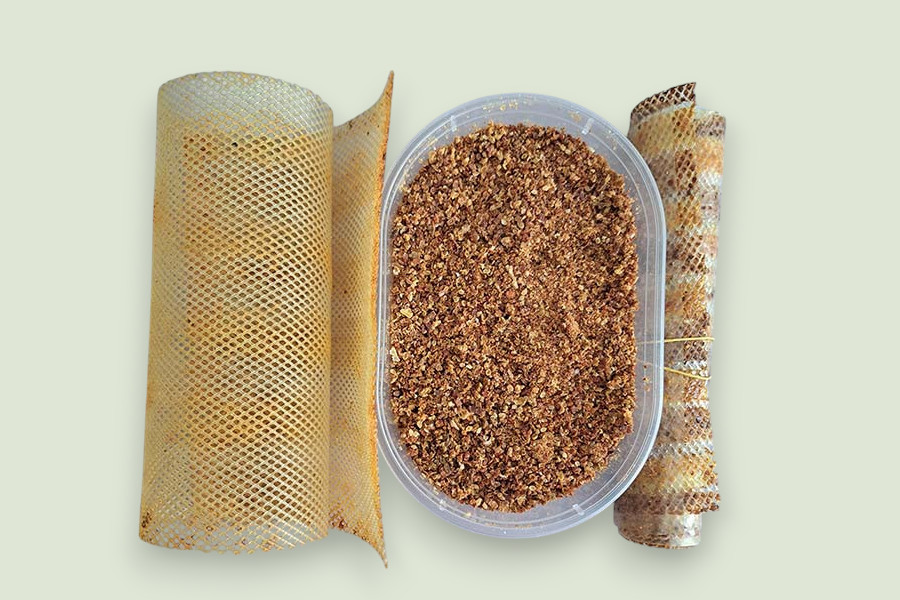
Veterinary treatments of unknown origin or misuse also affect propolis quality. Collection methods play a significant role; manual harvesting methods often compromise hygiene and product quality. A. Sadovnikov proposed a propolis collection method using fabric mats in 1982, but this technology is not currently used, nor is the equipment produced.
Preparing for New Standards
Beekeepers should proactively adapt to new standards, especially if aiming for international markets. We have introduced a device for cleaning elastic propolis nets, which enhances economic efficiency and hygiene. On August 6, 2024, this device was demonstrated at Kyivoblbeekeepingprom LLC in Boyarka.
Propolis Types and Global Market
Propolis types standardized include brown, green, and red. Ukrainian propolis is typically brown, and its quality indicators include extract mass fraction, moisture content, phenolic compounds, and more. Propolis contains over 800 known compounds, including flavonoids and phenolic acids essential for its quality.
The global propolis market has grown since the COVID-19 pandemic, with the 2022 market valued at $654.43 million, projected to reach $813.71 million by 2032. Key players include Apis Flora (Brazil), Bee Health Limited (UK), and Comvita (New Zealand), among others.
Propolis and Healing
Beekeeping products, especially propolis, play a role in wound healing and antibacterial treatments, which is crucial for aiding the rehabilitation of injured individuals.
Roman Dvykaliuk
Chairman of the Board, Association of Managed Pollination “BISAGRO”
Member, Center for Ukrainian-European Scientific Cooperation
Member, International Bee Research Association (IBRA)